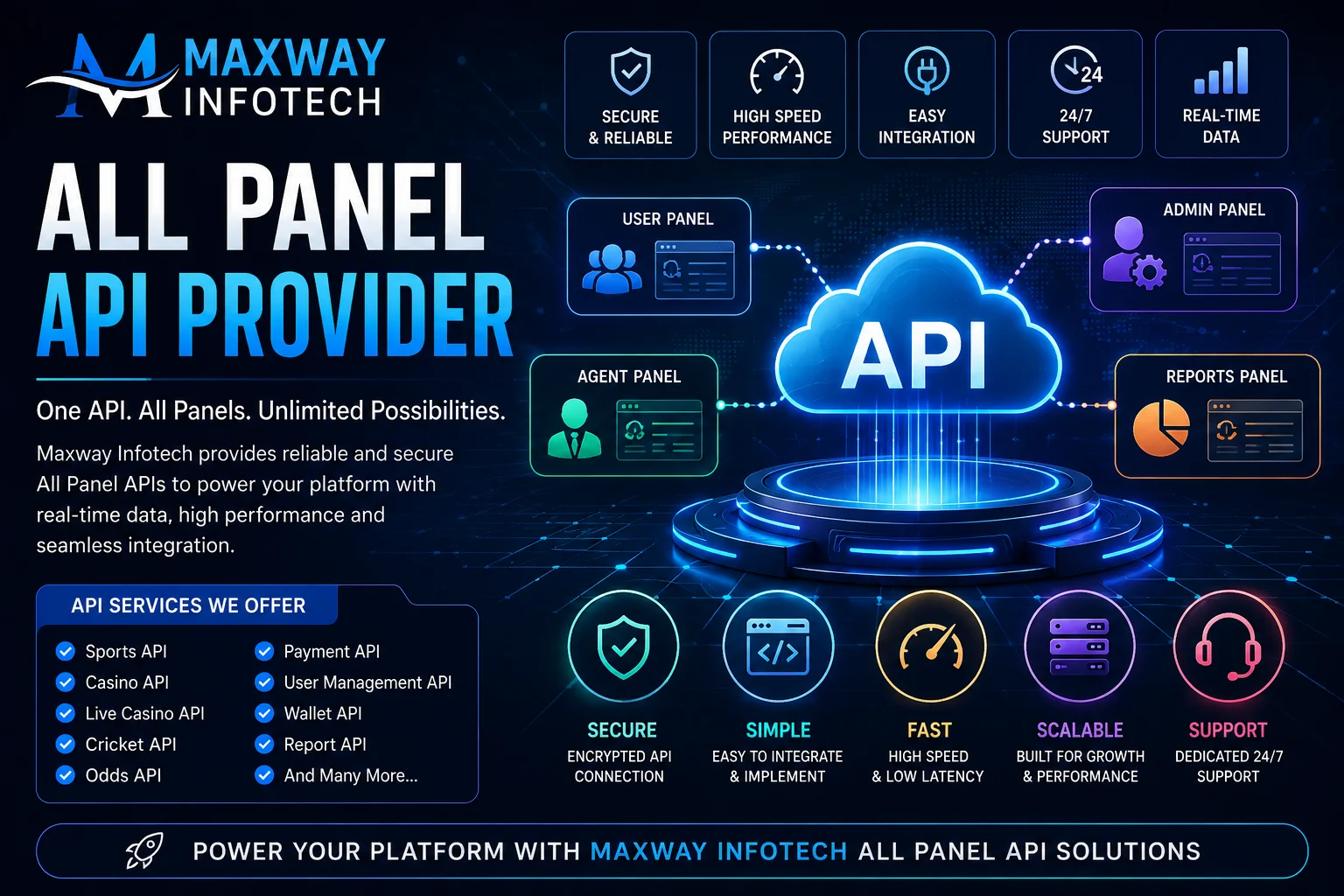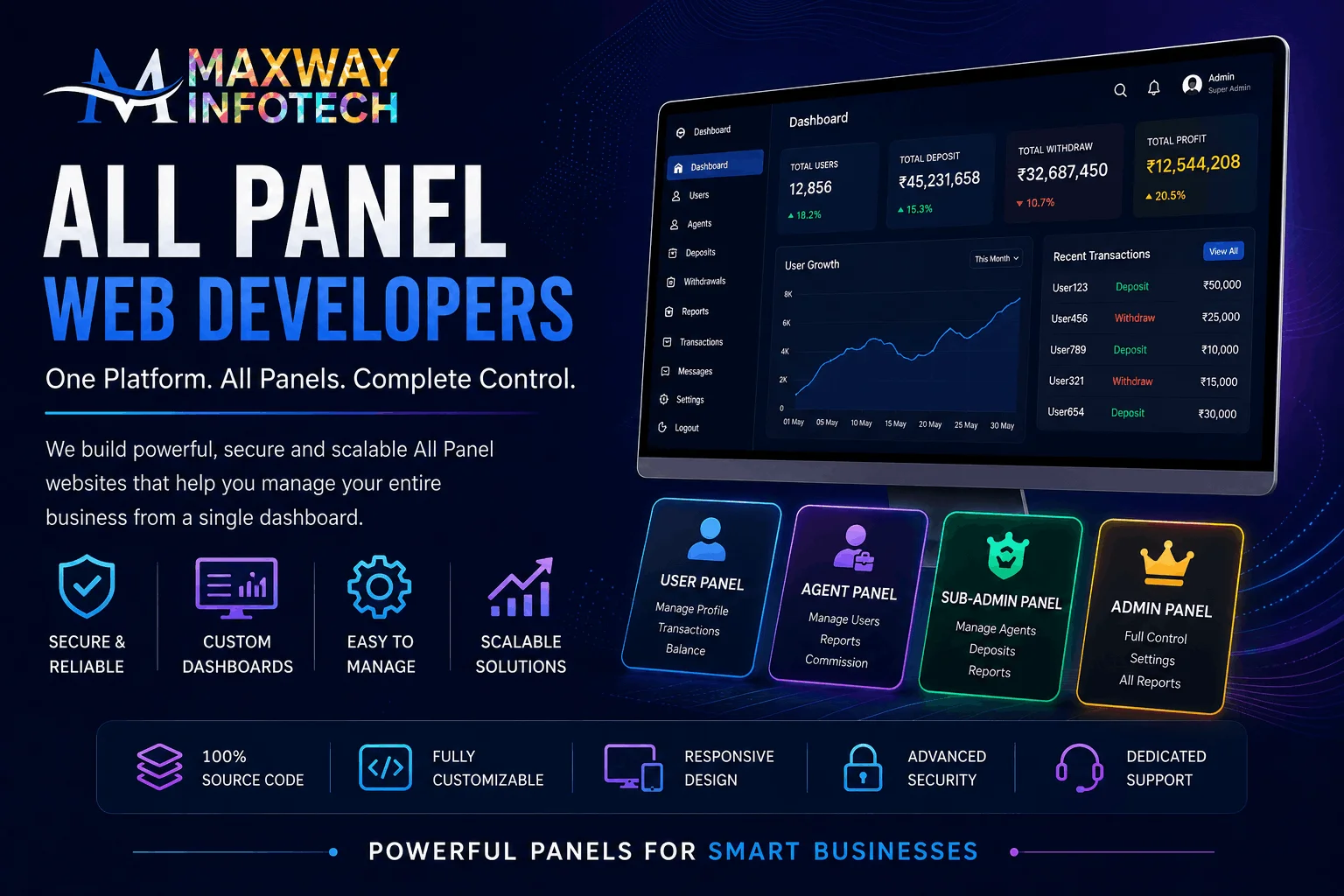
Diamond Exchange API Provider – Powerful, Secure, and Scalable API Solutions
Introduction to Diamond Exchange API Provider
In the rapidly evolving digital exchange industry, having a reliable and efficient API solution is essential for building a seamless, secure, and high-performance platform. A Diamond Exchange API Provider offers advanced API integration solutions designed to connect exchange platforms with essential services, automate operations, and improve overall system performance. Whether you are developing a new exchange platform or upgrading an existing system, choosing the right API provider can help streamline workflows, improve connectivity, and support long-term business growth.
With modern API technology, businesses can integrate multiple platform features through a centralized system, helping deliver a smooth and responsive user experience.
What Is a Diamond Exchange API?
A Diamond Exchange API is an application programming interface that enables communication between an exchange platform and connected software systems. It allows applications to exchange information, process requests, and synchronize data efficiently without requiring every feature to be developed from scratch.
Depending on the platform's requirements, API integration may support user authentication, account management, transaction processing, real-time data synchronization, reporting, and administrative operations. The specific functionality depends on the API provider, available endpoints, and the platform's technical architecture.
A well-designed API helps businesses build flexible digital solutions that can adapt to changing requirements and increasing user demand.
Key Features of a Reliable Diamond Exchange API Provider
1. Seamless API Integration
A professional API provider should offer clear documentation, structured endpoints, and integration support. These resources help developers connect the API with websites, mobile applications, and backend systems while reducing implementation complexity.
2. Real-Time Data Synchronization
Fast and accurate data exchange is important for maintaining consistency across connected applications. Depending on the provider's capabilities, real-time updates through WebSockets, webhooks, or other supported technologies can help deliver timely information and improve platform responsiveness.
3. Security and Authentication
Security should be a primary consideration when selecting a Diamond Exchange API provider. Essential safeguards may include API keys, token-based authentication, role-based access controls, encrypted communication, request validation, and activity logging.
For platforms that handle sensitive information or financial transactions, additional safeguards, independent security assessments, and appropriate compliance controls should be evaluated before deployment.
4. High Performance and Scalability
A reliable API infrastructure should be designed to handle growing traffic and increasing request volumes. Features such as caching, load balancing, rate limiting, optimized endpoints, and efficient database communication can help maintain performance as a platform expands.
5. Developer-Friendly Documentation
Comprehensive documentation makes integration easier and helps developers understand available endpoints, authentication methods, request parameters, response formats, error codes, and usage limits. Sandbox environments and software development kits can further simplify testing and implementation.
6. Technical Support and Maintenance
Ongoing technical support is essential for maintaining a stable API connection. A dependable provider should communicate service updates, document breaking changes, address technical issues, and provide clear information about uptime, maintenance schedules, and support availability.
Benefits of Choosing the Right Diamond Exchange API Provider
Working with a suitable API provider offers several advantages:
- Faster development: Reusable API functionality can reduce development time and avoid unnecessary duplication.
- Improved efficiency: Automated communication between systems can reduce manual processes and operational errors.
- Flexible integration: APIs can connect compatible websites, applications, databases, and third-party services.
- Better user experience: Responsive data delivery and consistent system behavior can improve usability.
- Simplified maintenance: Versioned endpoints and clear documentation make updates easier to manage.
- Business scalability: A well-architected API can support new features, additional integrations, and increasing demand.
These benefits depend on the provider's actual capabilities, implementation quality, and the technical requirements of the platform.
How to Choose the Best Diamond Exchange API Provider
Selecting the best provider requires more than comparing prices or advertised features. Businesses should evaluate the following factors before making a decision:
- API documentation: Check whether the documentation is complete, current, and easy to understand.
- Security standards: Review authentication, encryption, access controls, and incident response procedures.
- Performance and reliability: Ask for documented uptime figures, latency information, and service-level commitments.
- Integration compatibility: Confirm support for your preferred programming languages, frameworks, and deployment environment.
- Testing facilities: Look for sandbox access, test credentials, sample requests, and integration examples.
- Pricing transparency: Understand subscription fees, usage limits, overage charges, and support costs.
- Ongoing support: Verify response times, maintenance policies, and upgrade procedures.
- Compliance requirements: Confirm that the provider and your intended use meet applicable legal, regulatory, and licensing obligations.
A careful evaluation helps businesses identify an API solution that fits their budget, technical needs, and long-term objectives.
Diamond Exchange API Integration Process
A typical integration project follows a structured process:
- Requirement analysis: Identify the features, data flows, and systems that need to be connected.
- Provider evaluation: Compare API capabilities, security measures, documentation, and commercial terms.
- API configuration: Set up credentials, permissions, environment variables, and access policies.
- Development and testing: Implement endpoints and test authentication, response handling, error recovery, and performance.
- Security verification: Review permissions, validate inputs, protect sensitive data, and assess potential vulnerabilities.
- Deployment and monitoring: Release the integration, monitor system health, and maintain compatibility with future API updates.
Following these steps helps reduce integration risks and supports a more dependable production environment.
Why Businesses Need a Future-Ready API Solution
As digital platforms become increasingly interconnected, businesses need API infrastructure that prioritizes reliability, security, and adaptability. A future-ready Diamond Exchange API solution should support clear versioning, predictable responses, monitoring, scalable architecture, and straightforward integration with compatible systems.
Providers should also offer transparent information about supported features and technical limitations. This enables businesses to plan upgrades, manage operational risks, and make informed technology decisions.
Before selecting a provider, verify its identity, service capabilities, authorization where applicable, and track record. Avoid relying solely on promotional claims when evaluating technical performance or security.
Conclusion
Choosing the right Diamond Exchange API Provider can be an important step toward developing a reliable, efficient, and scalable digital exchange platform. From seamless integration and real-time data synchronization to strong security controls and ongoing technical support, the right API solution can simplify development and improve operational efficiency.
By carefully assessing documentation, performance, security, compatibility, pricing, and support, businesses can select an API provider that aligns with their specific requirements. A well-planned integration, supported by continuous monitoring and regular maintenance, creates a stronger foundation for sustainable platform development and long-term success.